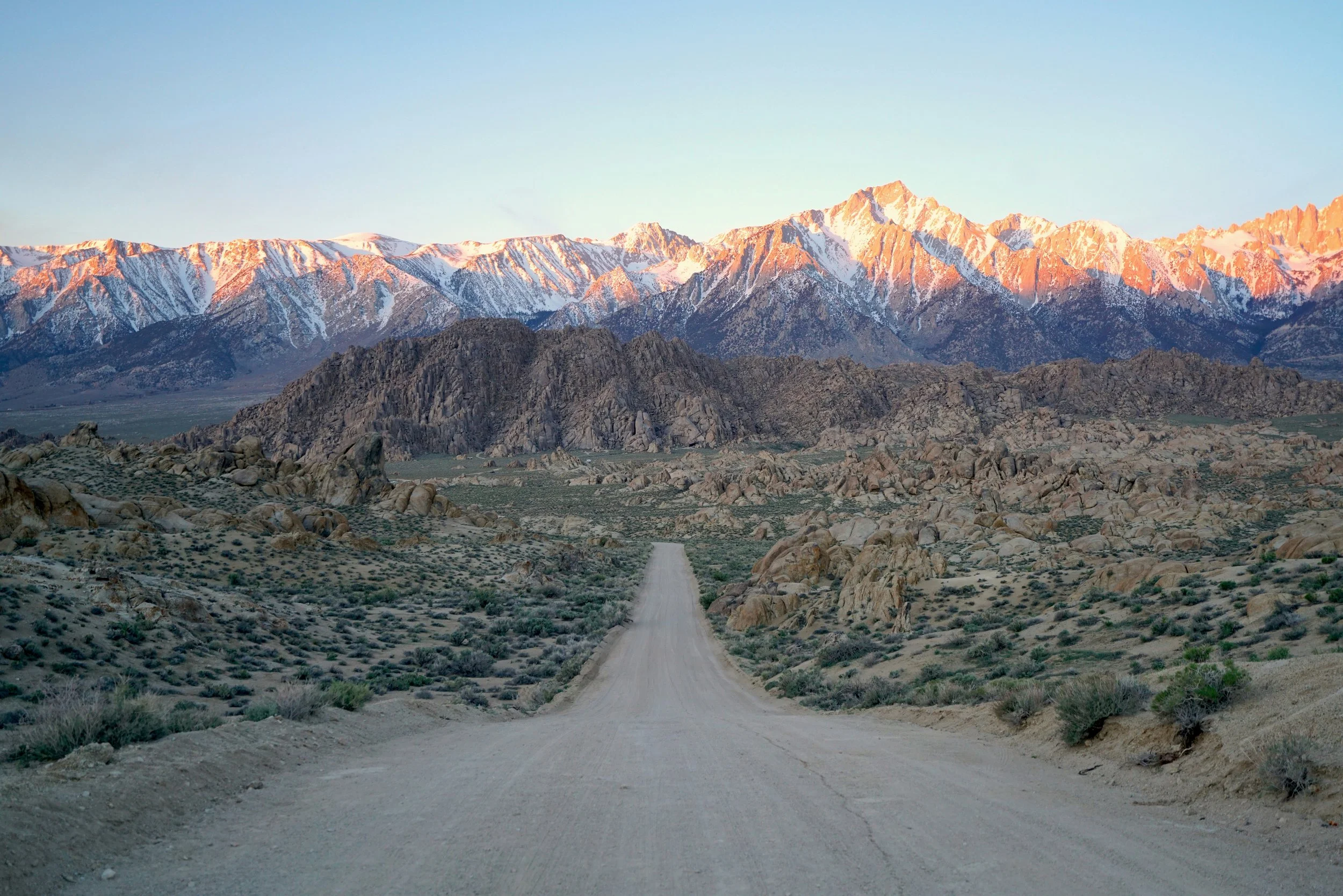
Spoke & piston
Storyboard ideas
"The spoke & piston"
Theme: The transition from mechanical prep to the high-stakes, fast-paced world of a desert race. This storyboard captures the tension and the mechanical ASMR.
Visual Vibe: High-contrast, gritty, raw, and meticulous
Scene #1: The Van Paddock
Observational Sony FX3 Handheld, Ultra Wide 16mm + 70mm Tight Shots, Dawn light
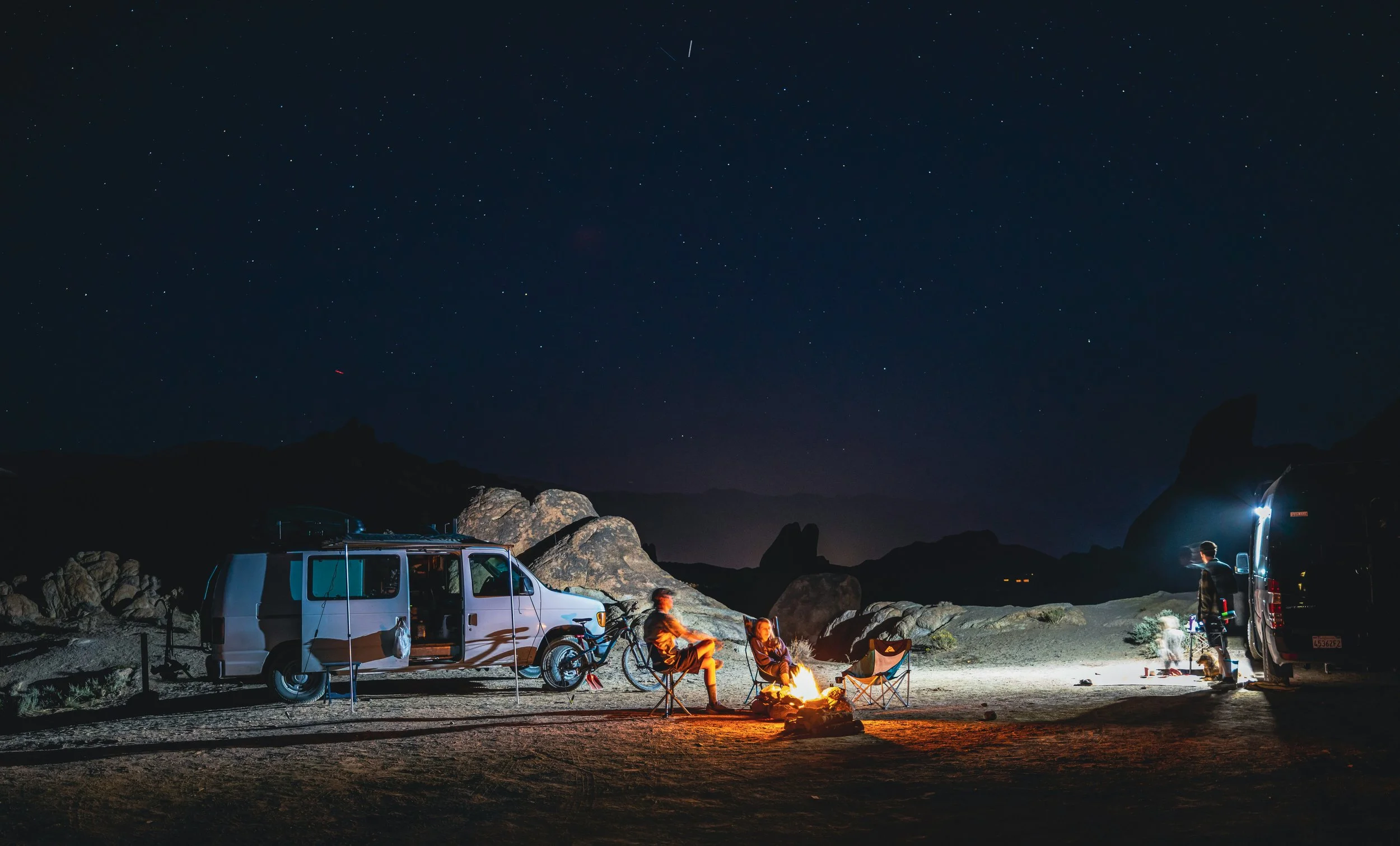
Candid shots of Dennis and friends laughing around the open back of a vintage van. The "Spoke and Piston" logo is subtle on a water jug. Authentic community, refined lifestyle beyond the race.
Scene #2: Race/Ride Prep
Sony FX3 Handheld, 100mm-400mm Tight Shots, Morning light
Macro shots of hands tightening spokes, checking tire pressure, and taping numbers. Capture sound (ASMR). Meticulous process, clean yet rugged utilitarianism.
Scene #3: Raccoon Eyes Tease
Sony FX3 Gimbal Hero Shot, 70mm Detail Shot, Morning light
Strong front lighting. A rider pulls off their helmet, revealing the classic, dirty "raccoon eyes" dust ring around their eyes. Focus pull. Highlighting the problem.
Scene #4: The Start Grid
Sony FX3 Gimbal, 35mm, Morning light
Wide-angle shot from the grid. Engines revving, dust swirling. Capture the kinetic energy. Mic Dennis up for intensity. Suggests the competitive field & raw aggression of racing/riding
Scene #5: POV Roost
GoPro Hero 8 POV on Chest Mount, [4K/60], Max SuperView
Riding directly behind another bike. A wall of sand and dust ("roost") hits the camera, completely obscuring vision. Aggressive action, high frame-rate capture of environment
Scene #6: Prototype Silhouette
DJI Air 2S + SONY FX3 Ultra-Wide 16mm, Tripod, Sunset
The four friends stand as silhouettes on a granite spire. The lead rider holds up an unbranded prototype goggle frame against the sun. Iconic ad shot; establishing the mystery of product launch in June.
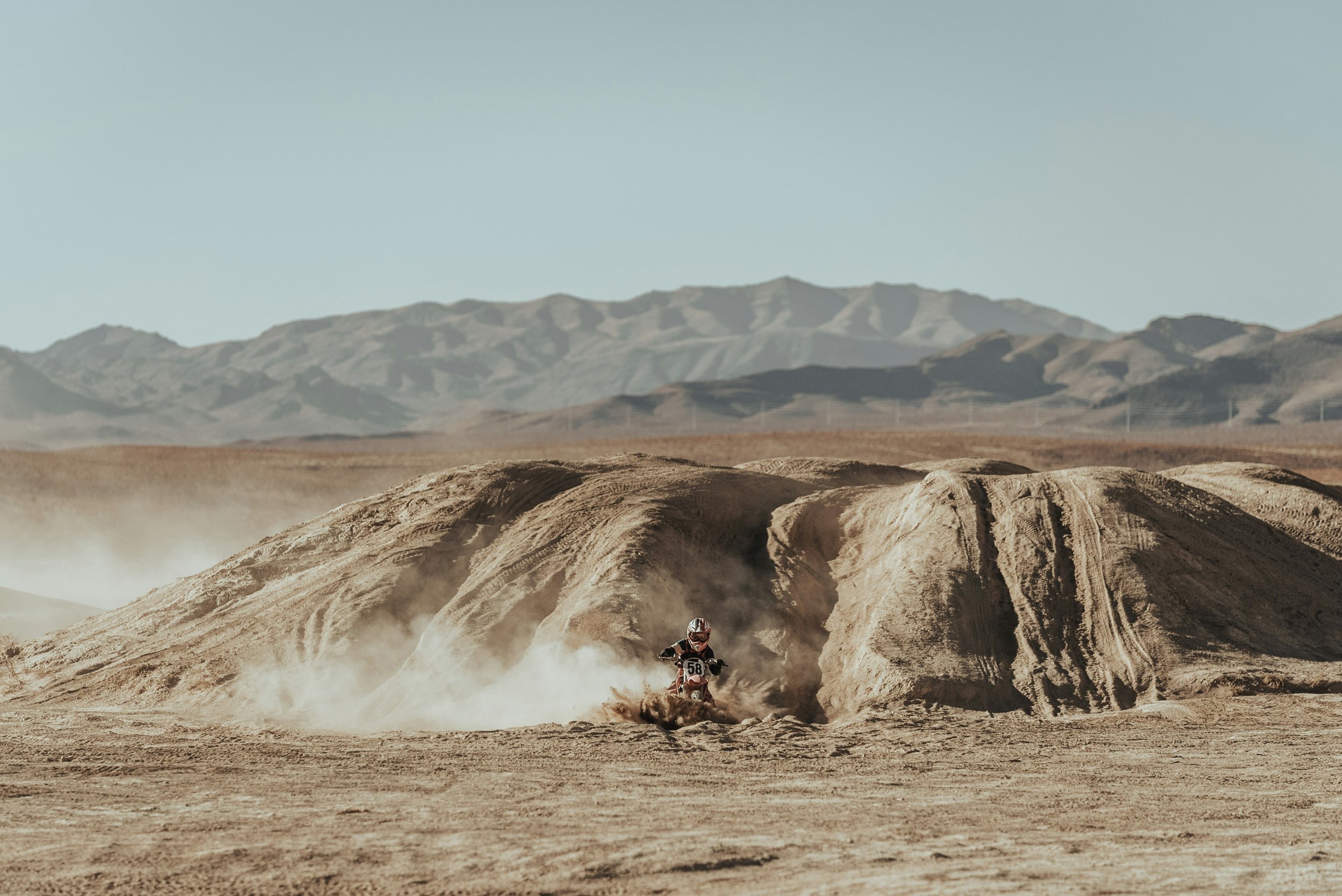
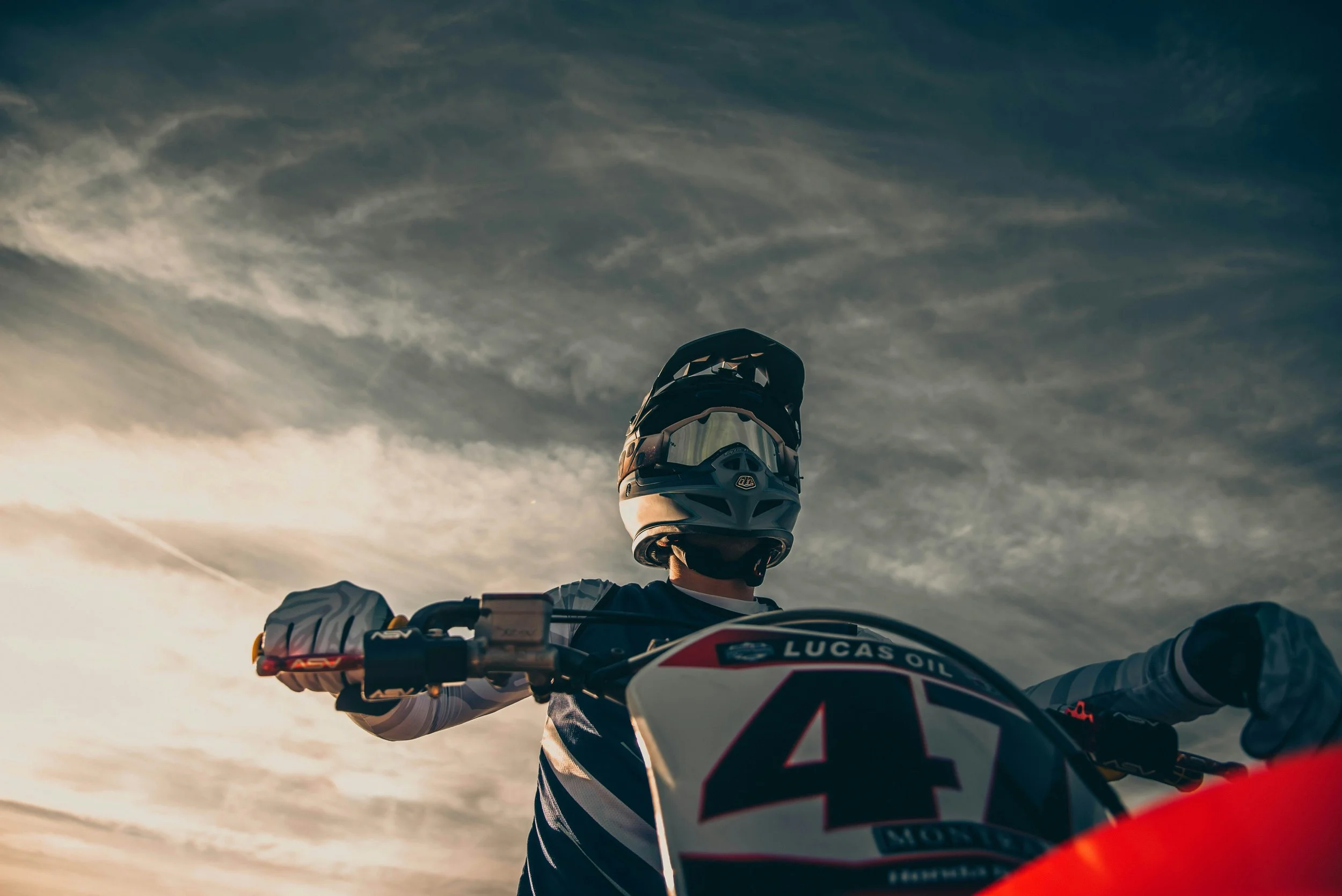
"The alabama drift"
Theme: Pure aesthetic, high-frame-rate action captured with multiple immersive cameras. This storyboard establishes the "Spoke and Piston" ability to master challenging terrain and create technically perfect content.
Visual Vibe: Fast, smooth, cinematic, and saturated, golden hour
Scene #1: Alabama Transit
Cinematic AerialDJI Air 2S [4K/60], Dawn, Tracking shot
The group drives their motorcycles in formation (the 'pack') along the winding Flat Road at dawn. Sierra Nevada range compressed. Scale, isolation, cinematic adventure.
Scene #2: The Goggle Vision Quest
Insta360 X3 on Invisible Selfie Stick
Mounted behind Dennis, this "FPV" style shot spins from the terrain ahead back to his focused expression. Reframe to create dizzying action. Dynamic action, immersive focus.
Scene #3: Golden Roost
Sony FX3 Gimbal + Tripod Slo Mo, 100mm telephoto compression
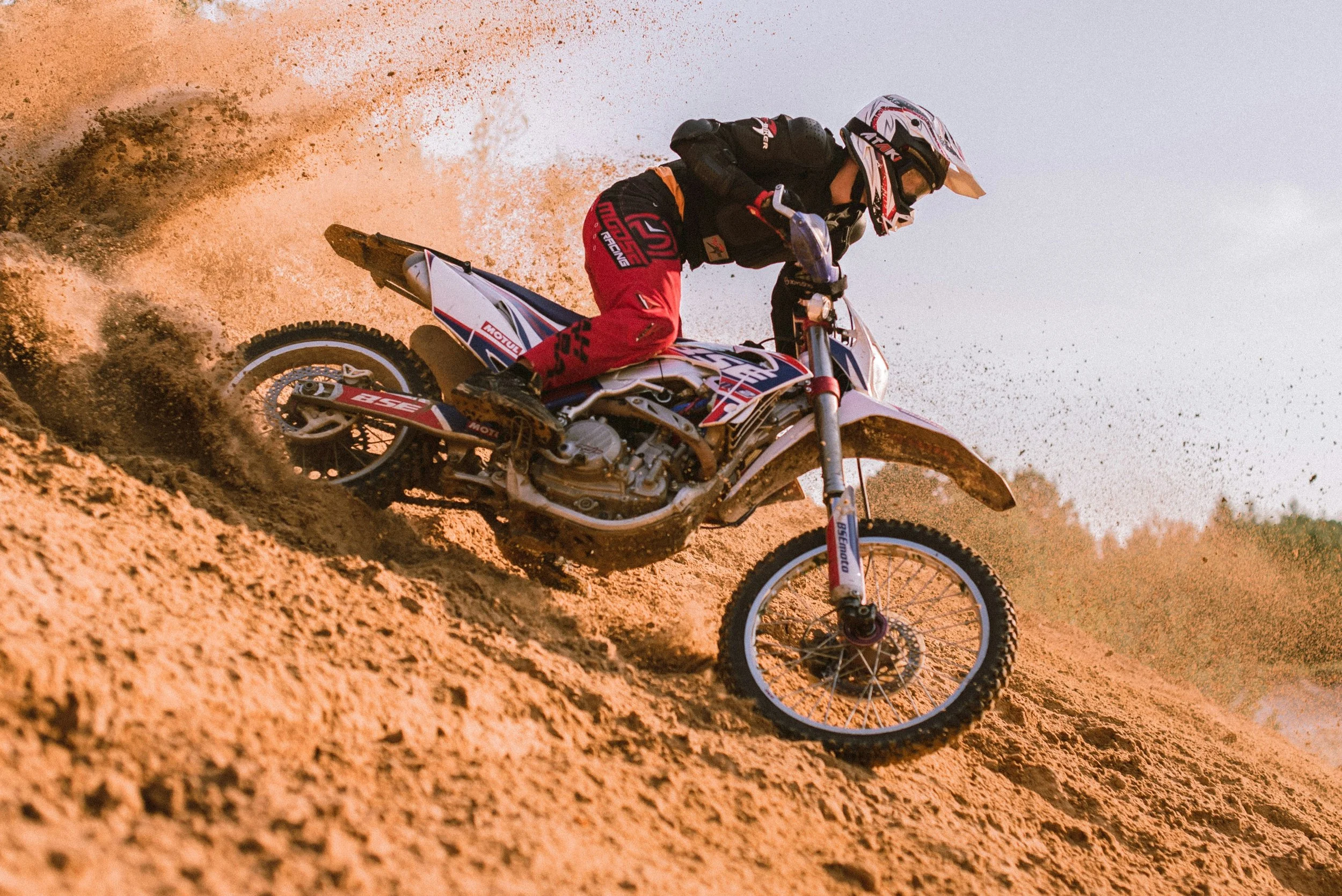
High-speed, close panning of Dennis drifting around a sandy corner. Backlit by the setting sun, making the dust cloud golden. High-frame-rate roost capture, aggressive drift.
Scene #4: Heat and Metal
Sony FX3 on Gimbal [Slow Motion], 35mm, Heat Waves
Slow-motion (120fps) tracking of a hand gripping a vibrating handlebar. Cut with a macro of an exhaust pipe cooling, ASMR sound. Sensory focus, technical detail.
Scene #5: POV: The Silt Sink
GoPro Hero 8 on Helmet [4K/60], Full Immersion
A first-person view entering a deep silt bed. Vision is lost, the front wheel dives. The action is chaotic but technically proficient. Camaraderie in chaos, mastering terrain.
Scene #6: The Lens Return
Sony FX3, 100mm Macro, Golden Hour Light
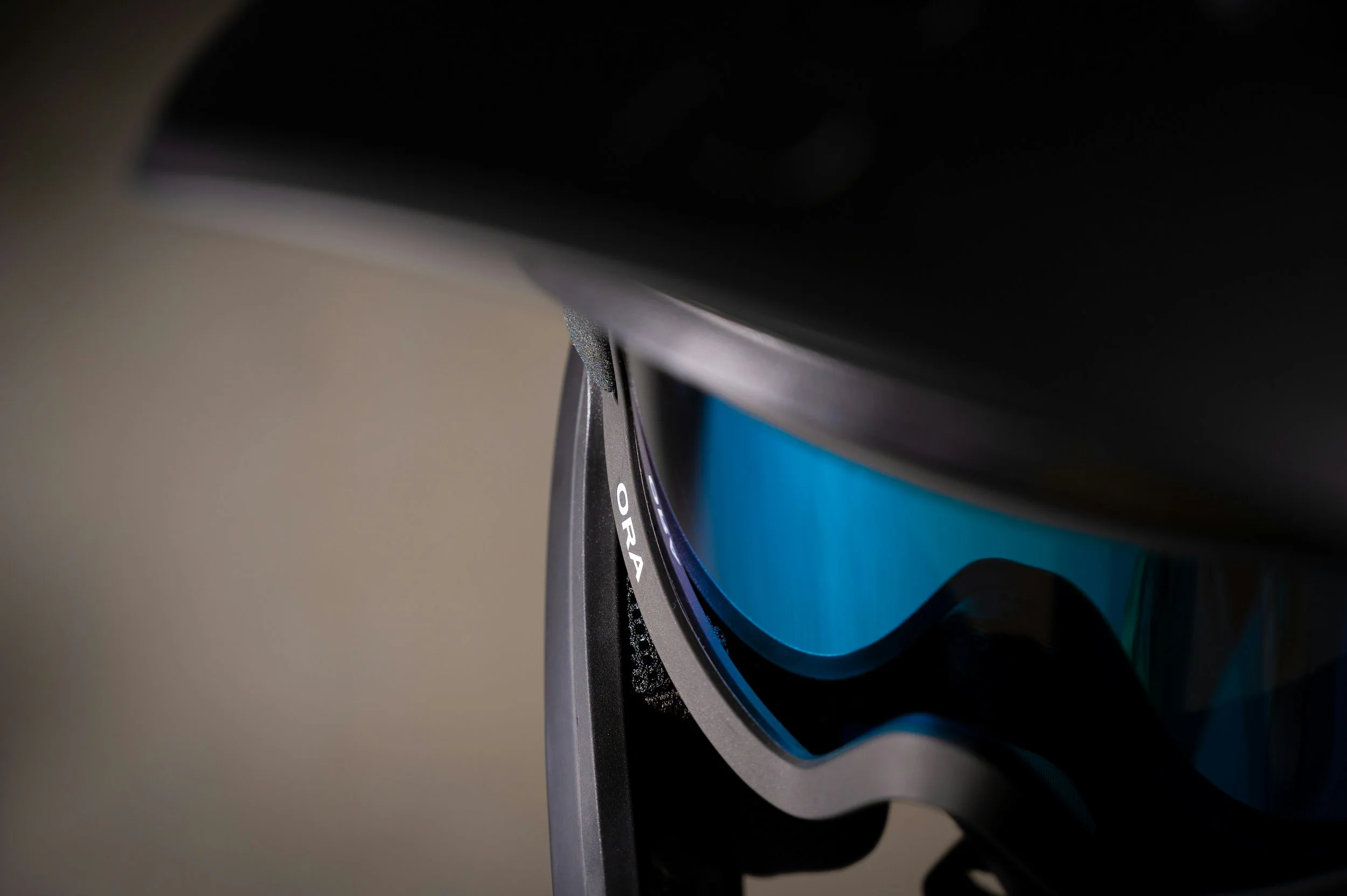
An extreme close-up of a goggle lens (held by Dennis). Golden hour light hits it. The camera focus pulls through the lens to reveal the detail inside. Precision engineering, premium component detail.
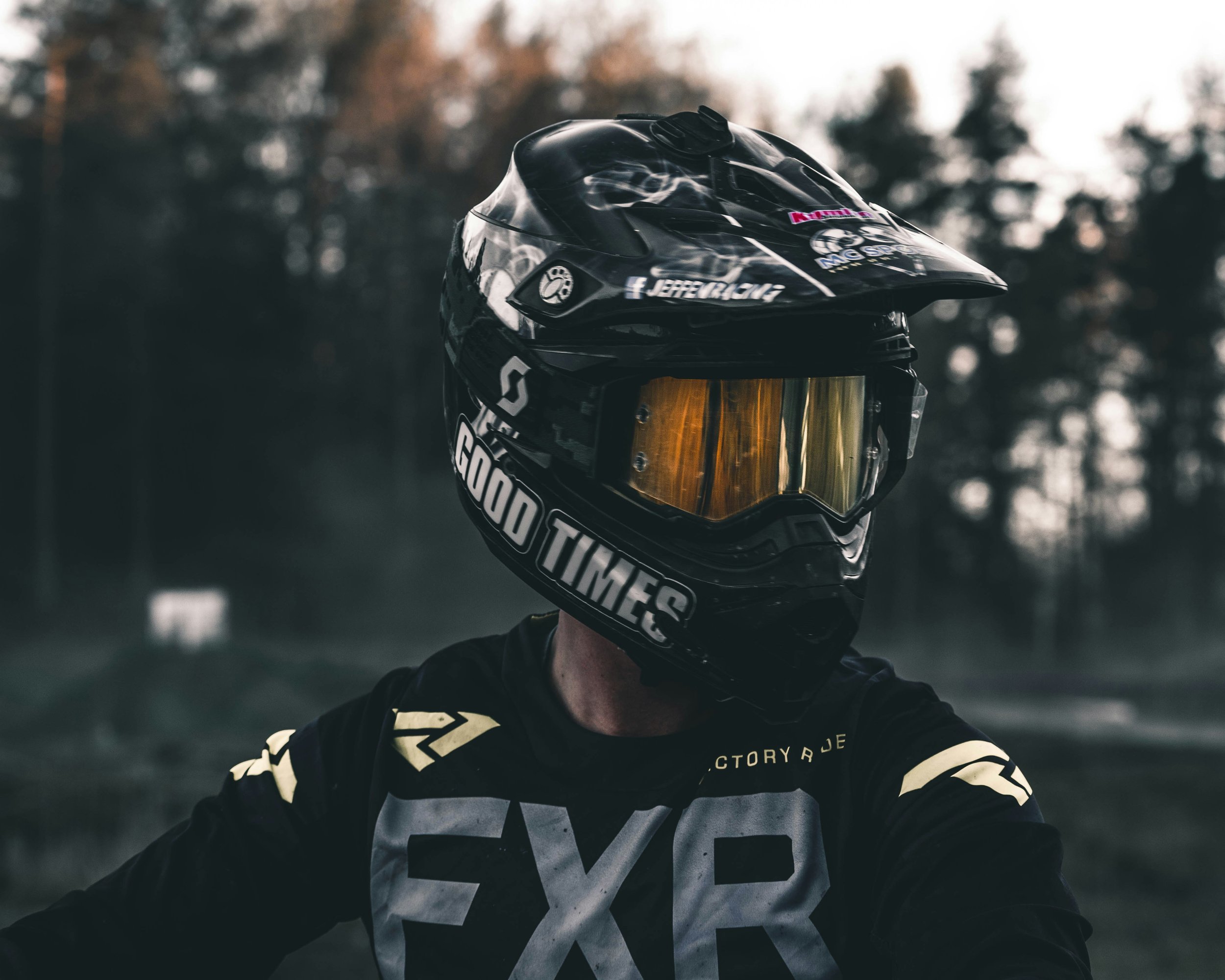
"The desert Soliloquy"
Theme: The reflective, emotional core of the brand. Focusing on the relationship between rider, machine, and nature. This storyboard is about silence, scale, and the "restless spirit" that drives everyone to keep riding.
Visual Vibe: Wide, minimalist, soft, and observational
Panel #1 - The Approach
Sony FX3 on a Tripod, Cinematic Wide, 16mm
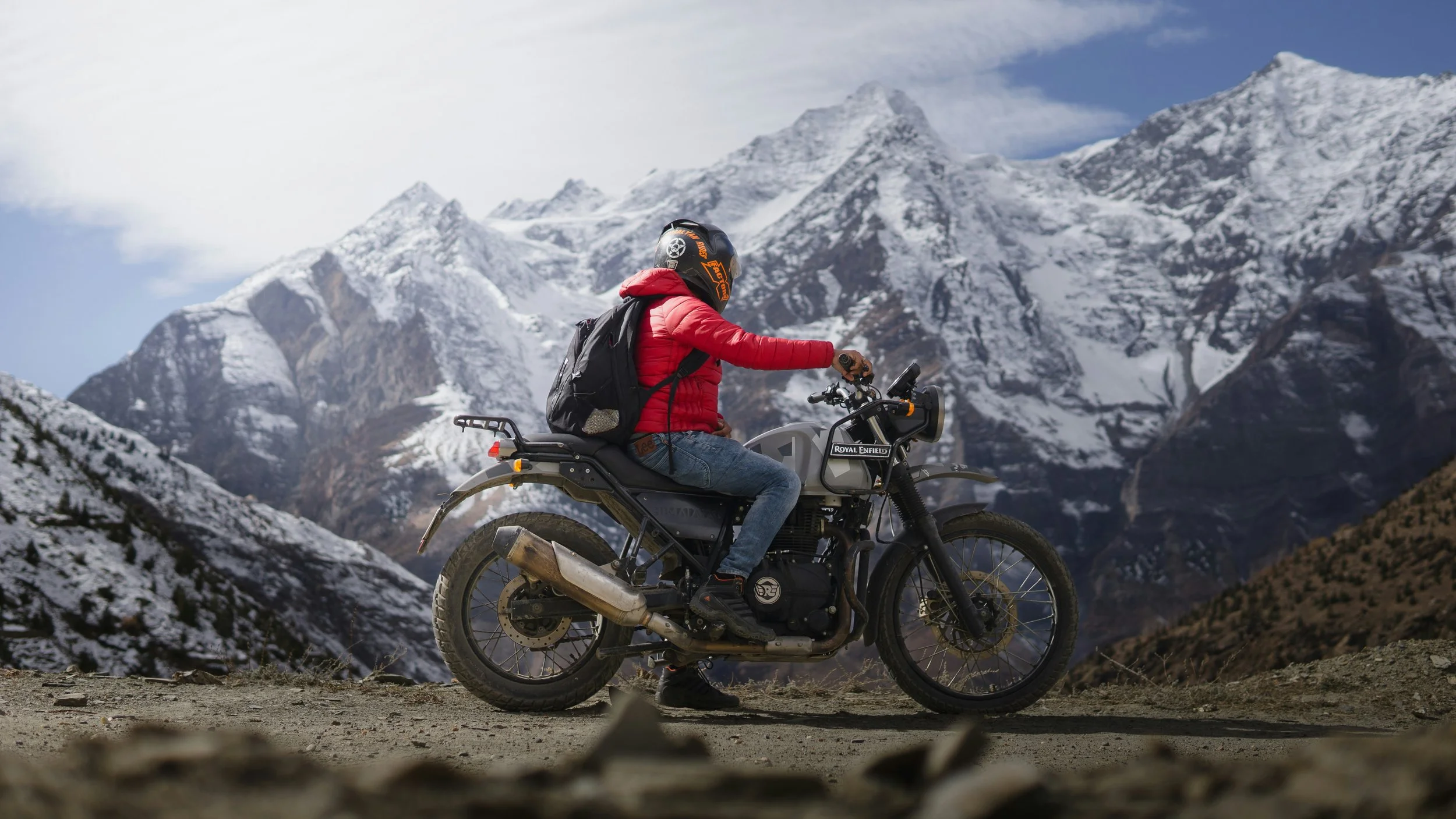
A distant silhouette of four friends pushing their bikes up a granite pass. The scene emphasizes their small scale against the Alabama Hills and mountains. The pack in collective struggle.
Panel #2: The Paddock "Mic'd Up"
Sony FX3, Community Dialogue, Candid Shots, 35mm
The group sits on their bikes in the van paddock, cleaning air filters. Mic'd audio (Rode) runs. Capturing raw, unscripted talk about the 'restless spirit' of riding. Philosophical adventure mindset, community dialogue.
Panel #3: Lone Spire
DJI Air 2S, High-End Aesthetic, Ultra-Wide, low altitude
A slow, geometric orbit of a single rider (Dennis) standing with his bike on a solitary granite pinnacle. Isolation, technical landscape mastery
Panel #4: Goggles Reflection
Sony FX3 on Tripod, 100mm Macro Shot, Dusk
The reflection of the orange and purple sunset inside a pair of goggles. Cut with the sound of a bike’s single cylinder compression. Refined technical artistry.
Panel #5: Summit Silhouette
Sony FX3 Wide Shot, 16mm, Strong Sunset
The four friends stand on a high Alabama Hills peak. Dennis looks over the vista. He holds a prototype goggle set as a signature silhouette ad shot. Iconic ad silhouette, defining the pre-launch vision.
Panel #6: Prototype Tease
Sony FX3 with 100mm Macro, Dusk
A hyper-detailed close-up of the rough strap texture of the new goggle (unbranded). The focus shifts to the small 'Spoke and Piston' logo. This is the product tease for June. Product quality focus, scarcity and hype.
Production Logistics
Expenses: Travel, location permits, and talent fees are billed separately at cost.
Why Spoke and Piston?
Your brand isn't just about goggles; it’s about the experience of the ride. My goal is to ensure that every frame we produce feels as premium as the product you’ve built, appealing directly to the sophisticated rider who values quality over flash.